
with azbil
Trivia
Liter

The unit “liter,” which we often see on juice and milk cartons or at gas stations, is deeply connected to our daily lives. Because we see it so often, many people may have never thought about its origin or history.
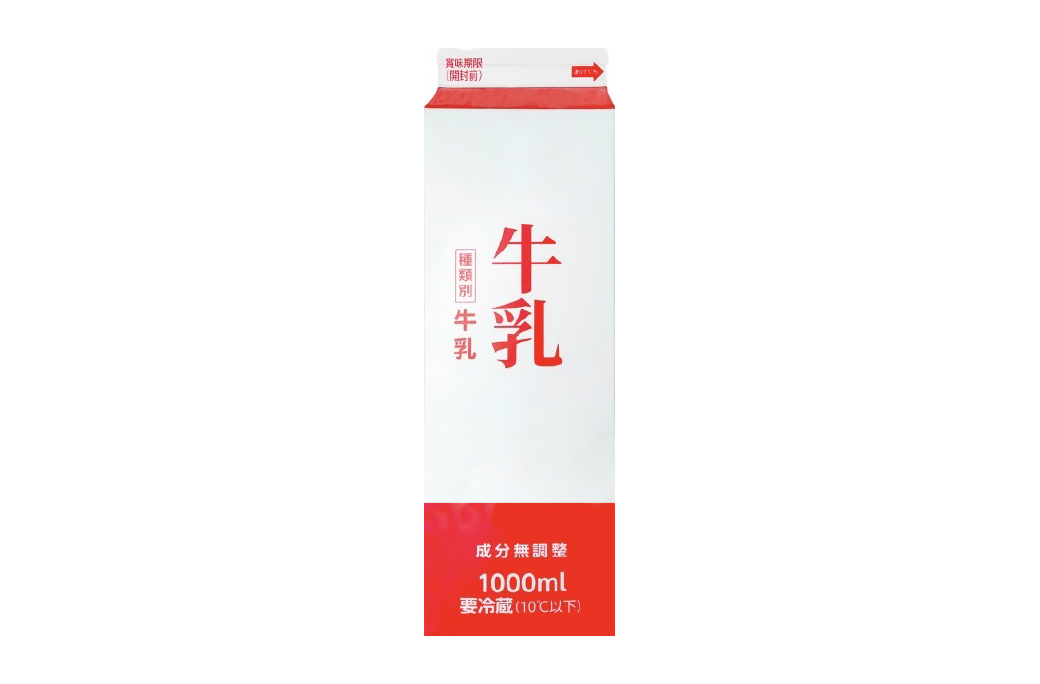
*The image is an example of a typical milk carton in Japan. The shape and capacity may be displayed differently depending on the country or region.
The word “liter” originates from the French word “litre,” which in turn comes from the Old French “litron.” It traces further back to the Greek λίτρα (litra) and Medieval Latin litra, and originally was a unit of weight.
At the end of the 18th century, the metric system was created after the French Revolution, and the liter was adopted as a unit of volume, with 1 liter being equal to 1/1000 of a cubic meter. It has become widespread as an easy-to-understand standard and has become established as a universal unit of measurement worldwide.
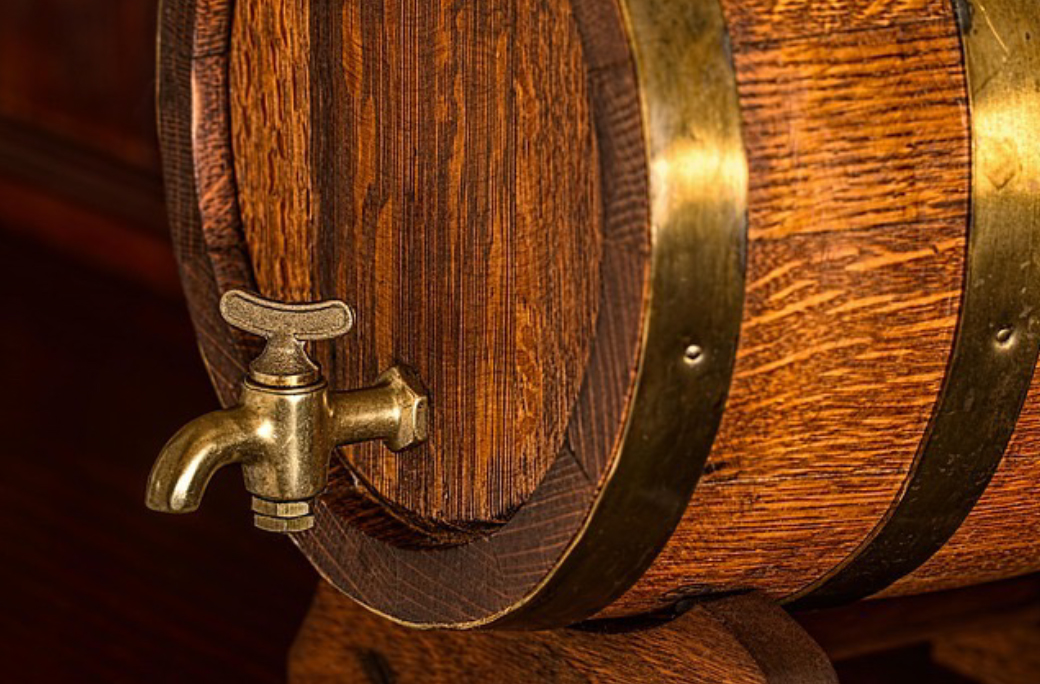
Before the liter became popular, each region had its own unit of measurement for the volume of liquids. For example, the “gallon” was used as a unit of measurement for wine in Europe. Currently, the average volume used in the United States is approximately 3.785 liters, and in the UK it is approximately 4.546 liters. There were also separate amounts used for the word “gallon” when it came to wine and beer, which sometimes caused confusion in the trade. This led to the widespread adoption of the liter as a unit of measurement.
Even today, various units of measurement for liquids are used around the world.
- 1. Pint
In pubs in the UK and Ireland, it is common for beer to be served in a pint glass when ordered. A UK pint is approximately 0.568 liters, while a US pint is approximately 0.473 liters, so both are smaller than a liter and vary by country. It still remains in our dining culture in the form of the “pint glass.” - 2. Pot
“Pot” is a unit used to measure wine and other drinks in France, Belgium, Switzerland, Denmark, and Norway. A pot was 1.86 liters in Paris, but in Marseille, it was sometimes 1.07 liters.It was used as a guideline for buying and selling wine and sharing it within the home, and was deeply rooted in the food culture and lifestyle of each region. - 3. Issho (one sho)
A unit unique to Japan that is approximately 1.8 liters. It was widely used in rice transactions during the Edo period, and remains the standard for sake bottles and masu (measuring cups) even today. The remnants of this name can be clearly seen in the words “isshobin” (one sho bottle) and “isshomasu” (one sho masu).
These units were deeply connected to local cultures, so standards varied from region to region, and the more interaction there was across regions, the greater the confusion became. The solution to this problem was the global standard known as the “liter.” Even the 1 liter carton of milk we hold in our hands every day has a long history and accumulation of culture.
Reference:
Tanoshii Sake.jp “How many liters is 1 gallon? A guide to international units of beer volume” and “Detailed explanation of the volume and origin of the 1.8L bottle” (in Japanese)
https://tanoshiiosake.jp/10705
https://tanoshiiosake.jp/12344
Encyclopædia Britannica “Litre (unit of volume in the metric system)”
https://www.britannica.com/science/litre
MathDa “US Pint (pt (US)) to Liter (L) Conversion Guide” (in Japanese)
https://mathda.com/convert/ja/volume/pint-u-s-to-liter
Sizes.com “Regional Definitions of the Pot (Liquid Unit)”
https://www.sizes.com/units/pot.htm
- *This article was translated from the Japanese version of the article published on November 10, 2025.