Asahi Kasei Corporation, Mizushima Works
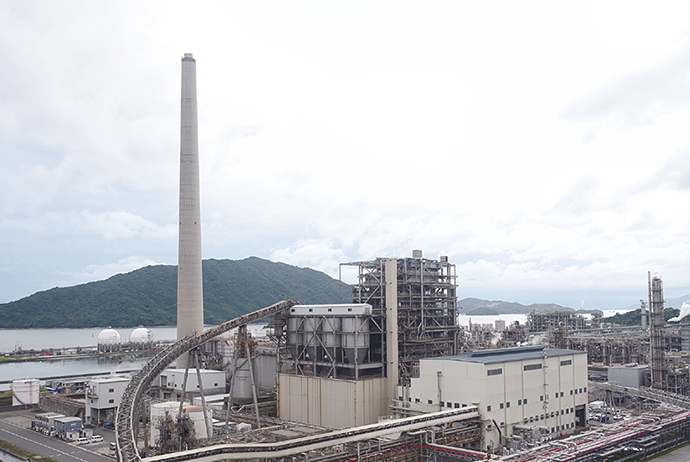
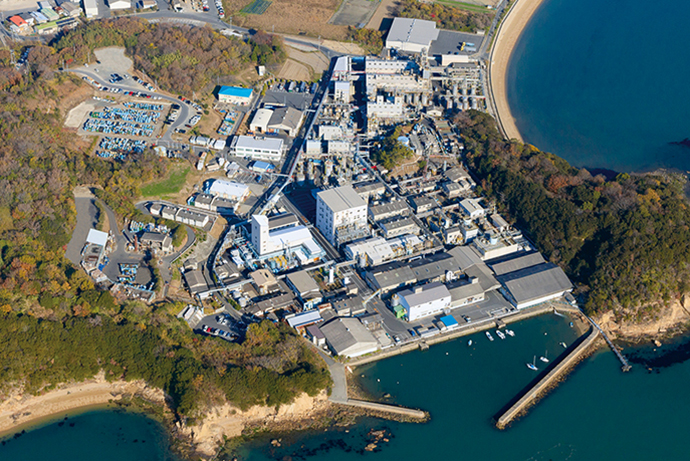
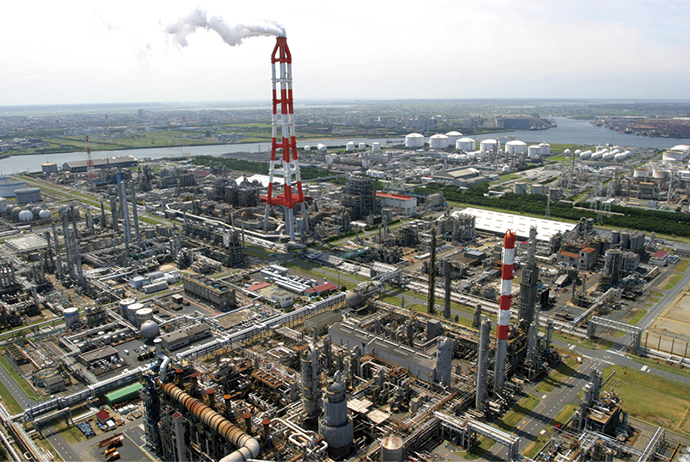
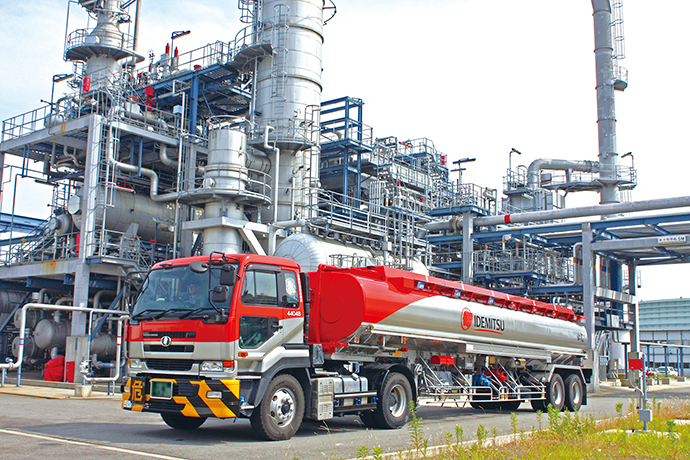
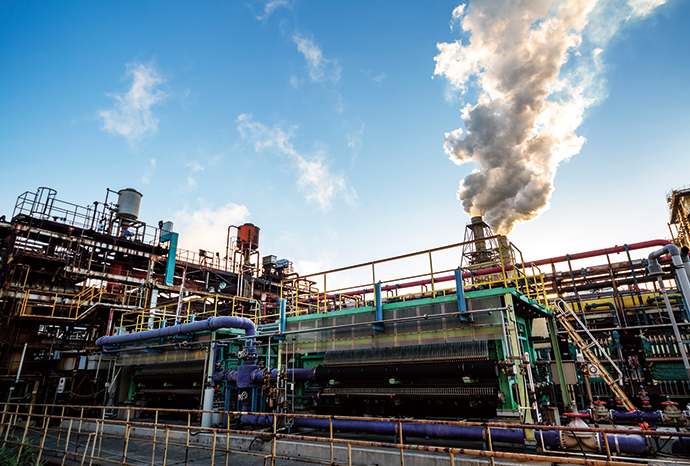
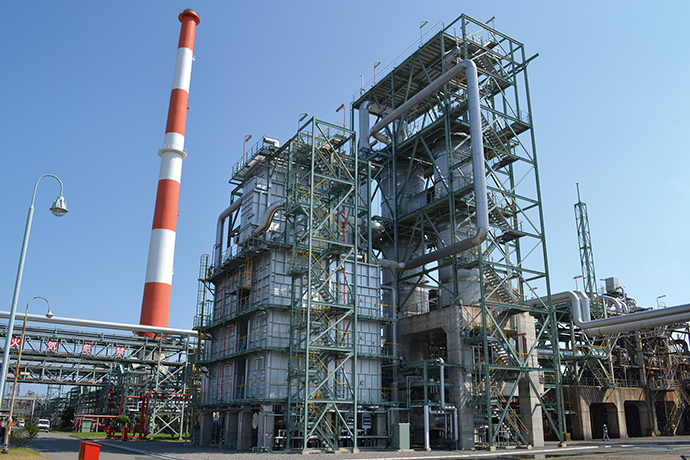
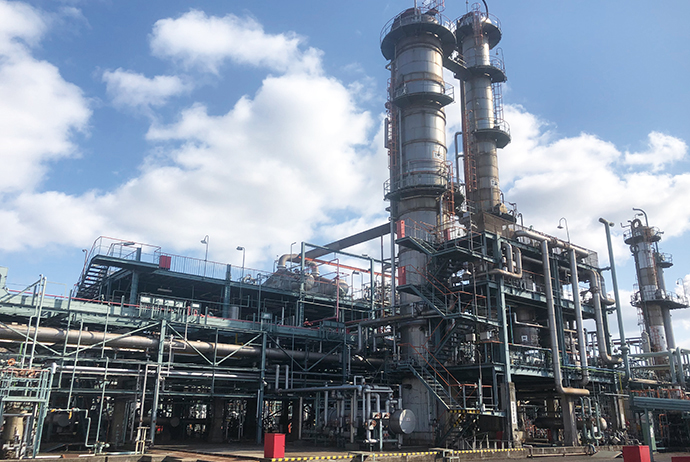
Asahi Kasei’s Mizushima Works is a crucial base for its petrochemical business, handling the majority of the raw materials used in the Mizushima Petrochemical Complex. The works has established a system to detect minor anomalies in control valves operating in critical processes before they impact plant operations. This enables proactive maintenance, which eliminates factors that could hinder quality and operational safety ahead of time.
Factories and Plants Oil Refining and Petrochemical Safety & Dependability Reliable Operation Maintenance Support Industrial Automation Control and Monitoring Systems and Software Control Valves and Actuators
Products/Services Provided
Site-led maintenance enhancement for greater operational stability
Since its founding in 1922, Asahi Kasei Corporation has developed its core technologies based on chemistry, while expanding its business. Today, the company stands out among global companies for operating in three business sectors: Material, Homes, and Healthcare.
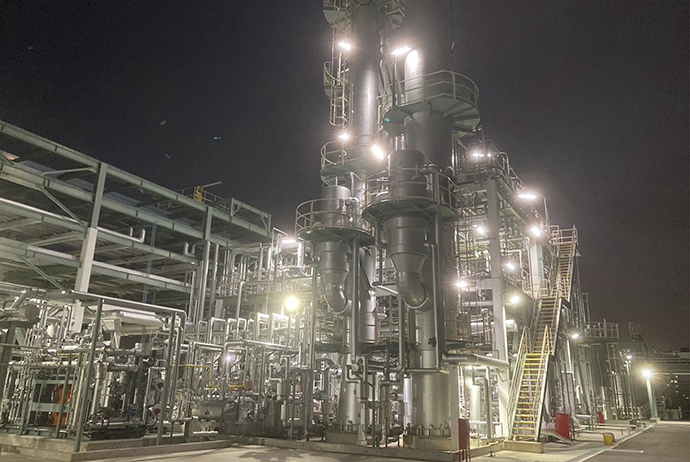
As a core production base for the company’s petrochemical business, it produces everything from intermediate raw materials such as styrene to high-performance resins on its large premises. Furthermore, at the petrochemical feedstock production facility, high-purity hydrogen is refined from the gaseous components of petroleum-based products supplied from the ethylene center*1, and cracked gasoline is distilled and separated into its various fractions, which are then sent to other Asahi Kasei facilities or to other chemical plants in the Mizushima area. It also functions as a supply point for ethylene and fuel gas, playing a crucial role as an intermediate process connecting the upstream and downstream processes of the Mizushima Petrochemical Complex.
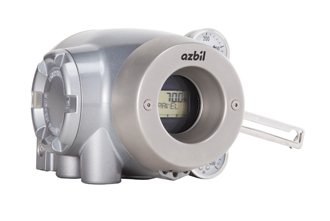
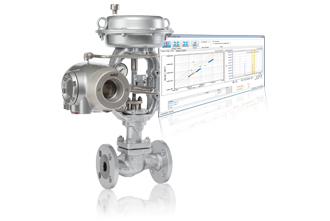
For the past 13 to 14 years, the Mizushima Works has been using Azbil Corporation’s Smart Valve Positioner and PLUG-IN Valstaff (hereinafter Valstaff) control valve maintenance support system to monitor the status of their control valves while they are in operation. They are frequently used in various devices and approximately 350 valves in the facility currently use positioners. However, these systems are still not being utilized to their full potential as they are being installed on a device-by-device basis. Therefore, starting around 2023, we began working to fully implement Valstaff in order to enhance plant safety through the early detection of anomalies.
“In addition to enhancing process safety, we also wanted to shift toward condition-based maintenance (CBM*2) for control valves and other instrumentation in order to address social changes such as labor shortages and rising prices,” says Kazuhiko Hirayama, Manager at Asahi Kasei Corporation.
Trust and performance built through a long-term partnership
In order to ensure safe, stable, and reliable plant operations, there was a need for proactive maintenance that could detect signs of serious anomalies occurring in control valves during operation at an earlier stage than could be detected by process monitoring using DCS, and nip potential factors that could hinder stable operation in the bud.
Against this backdrop, in response to a request for enhanced process safety from the manufacturing division (CH/Petrochemical Raw Materials Manufacturing Department) of the Mizushima Works, the Equipment Management Department (Instrumentation Equipment Management Section) considered and adopted the InnovativeField Organizer™ device management system (hereinafter the device management system), which is an online monitoring system utilizing Valstaff.
“We have had a relationship with Azbil since the Mizushima Works was first established, and its support system has given us great confidence. In addition to their track record at other factories, we also felt that they have strong real-time monitoring capabilities,” says Kazuki Mishima, Supervisor.
During regular maintenance in May 2023, the Mizushima Works introduced the equipment management system and Valstaff to its petrochemical feedstock production facility and established a monitoring system for 15 control valves that were deemed important or posed a high safety risk. The system began operation in August 2023. After implementation, we accumulated operational data from the control valves while tuning the threshold values for diagnostic parameters*3, and considered which alarm types should be targeted for critical alert notifications. In addition, we are working on developing an operational flow in which the manufacturing department makes the initial decision when a critical alert occurs and contacts the equipment management department if necessary.
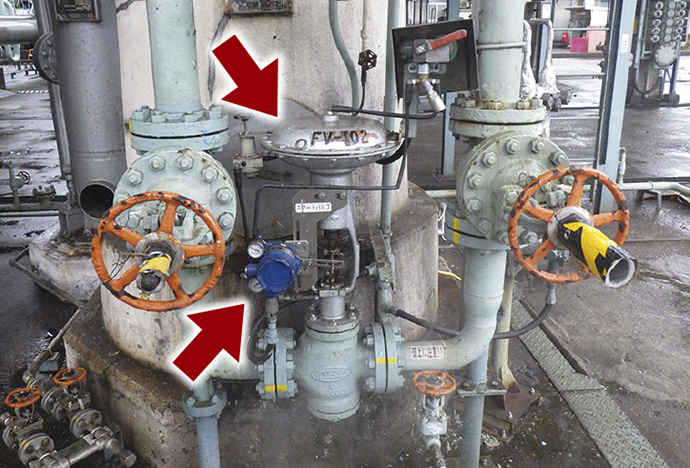
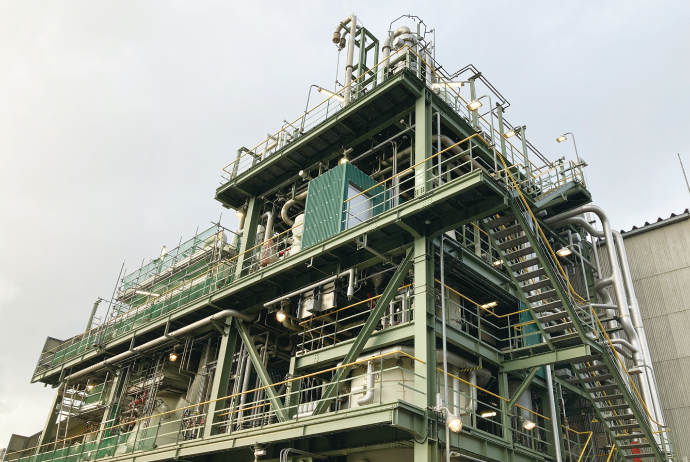
A control valve from another company installed in a hydrogen purification system. Azbil’s Smart Valve Positioner, model AVP302 monitors the operating status of the control valve.
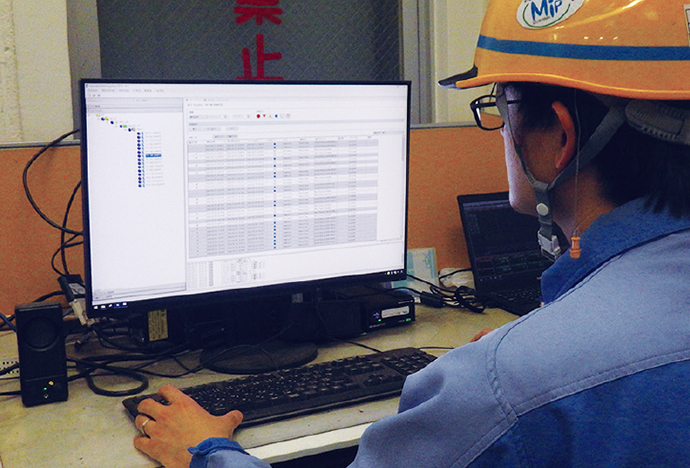
Monitoring screen of the device management system installed in the control panel room. The worker is checking alerts based on diagnostic information of the smart valve positioner.
Accurately detecting subtle control valve changes that are beyond human perception
The company is beginning to see results from these efforts. Petrochemical feedstock production facilities have safety-critical control valves that control the reactor inlet temperature in order to maintain the reactor*4 temperature at a set value. This control valve was serviced during regular maintenance in May 2025, but since operations resumed, critical alerts regarding deviations in the control valve opening, which had not occurred before the maintenance, began to frequently appear. However, checking the DCS trends revealed no process disturbances and no anomalies in temperature. Therefore, we analyzed the operating trends of the control valve in question on a weekly and hourly basis, and it became clear that the control valve had poor responsiveness in the opening direction.
“It did not open properly in response to control signals, and it would overshoot midway through opening, exceeding the setpoint and resulting in a deviation. Therefore, we suspected that stick-slip*5 was occurring inside the control valve. We were able to resolve the problem using the lubricator attached to the control valve to improve the lubrication of the gland packing section*6. In the worst-case scenario, this could have led to a serious accident,” says Yosuke Nakata.
“It accurately detected subtle anomalies in the control valve that could not be detected through human observation or DCS trend monitoring. If we had left it unattended, not only would it have affected quality, we would have had to shut down and restart the plant to inspect the control valve, halting operations for more than a week. Furthermore, since our department handles intermediate processes, it could have affected other factories as well,” says Yuki Kawauchi, Operator Leader.
At the Mizushima Works, we will continue to tune the threshold values of diagnostic parameters, while reducing missed detections and over-detections of anomalies, with the aim of enhancing proactive maintenance.
“To achieve this, we would like to ask Azbil, which has sales offices and a valve maintenance center near the Mizushima Complex, to continue providing their generous support,” says Kohei Kato, Supervisor.
“Looking at Asahi Kasei as a whole, the reality is that similar control valve monitoring systems are not yet being fully utilized at other manufacturing sites. Going forward, we plan to continue building on our expertise at the Mizushima Works in collaboration with Azbil, and then roll out these practices to other facilities,” says Mr. Hirayama.
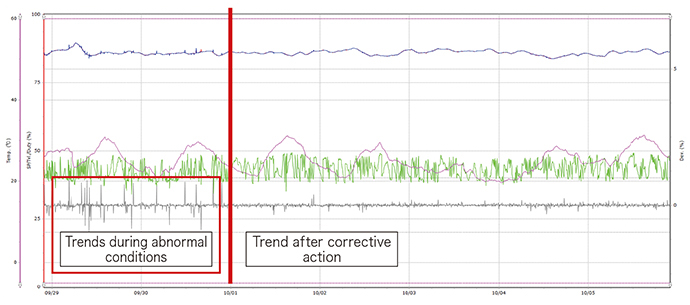
Upon resuming operation after completing regular maintenance, an increase in the deviation (black line) and a deterioration in responsiveness were observed in the control valve’s trend graph. After corrective action was taken, improvement in the anomaly symptoms was observed.
*Valstaff and InnovativeField Organizer are trademarks of Azbil Corporation in Japan.
glossary
*1. Ethylene center
A facility that produces ethylene, a raw material for petrochemical products, and supplies it to petrochemical plants.
*2. Condition-based maintenance (CBM)
A maintenance method in which maintenance is performed when signs of deterioration are identified in monitored equipment.
*3. Thresholds for diagnostic parameters
Indicators for determining anomalies in the control valve (such as the magnitude and duration of the deviation that indicates an anomaly).
*4. Reactor
Reaction apparatus. A core device for producing desired chemical substances by reacting raw materials together.
*5. Stick-slip
A phenomenon where the valve stem repeatedly sticks and suddenly slips. In a control valve, this condition is caused by increased friction in the gland area due to structural failure of the gland packing or leakage of process fluid, resulting in poor movement of the valve stem.
*6. Gland section
This is the sealing mechanism that prevents fluid leakage at the point where the valve stem of a control valve extends outside the valve body.
Learn about the customer

Manager
Instrumentation and Equipment Management Section
Equipment Management Department
Mizushima Works
Asahi Kasei Corporation
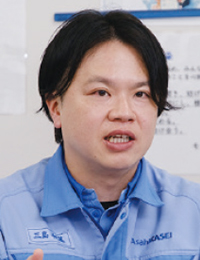
Supervisor
Instrumentation and Equipment Management Section
Equipment Management Department
Mizushima Works
Asahi Kasei Corporation

Instrumentation Equipment Management Section
Equipment Management Department
Mizushima Works
Asahi Kasei Corporation
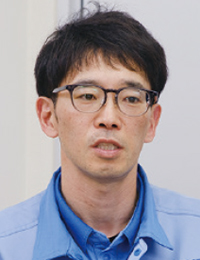
Supervisor
CH/Petrochemical Raw Materials Manufacturing Section
Monomer Manufacturing Department 1
Mizushima Works
Asahi Kasei Corporation

Operator Leader
CH/Petrochemical Raw Materials Manufacturing Section
Monomer Manufacturing Department 1
Mizushima Works
Asahi Kasei Corporation
Asahi Kasei Corporation, Mizushima Works
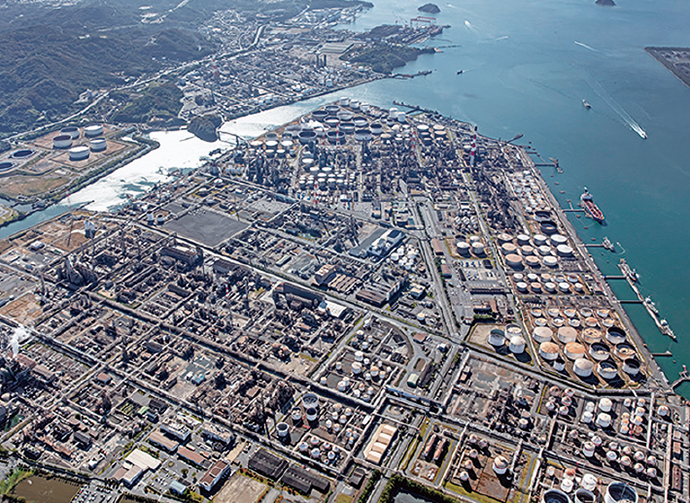
- Location: 3-13 Shiodori, Kurashiki City, Okayama Prefecture
- Establishment: February 1965
- Business activities: Integrated production from naphtha cracking to intermediate raw materials and derivatives.
1st Edition: Issued in Sep. 2026
This is a translation of the Japanese version.
This article was published in November 2026.