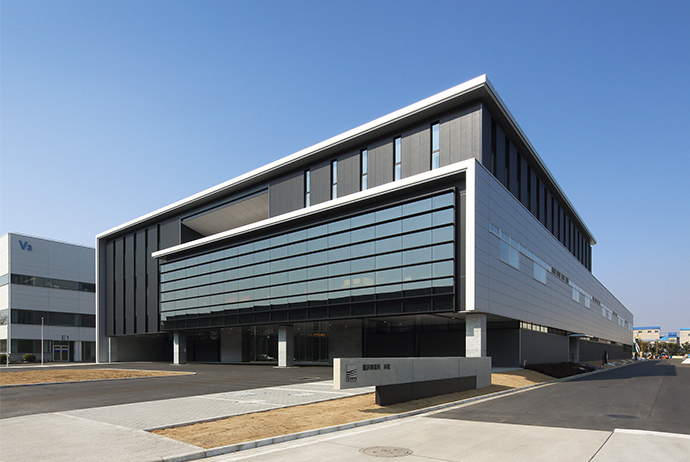
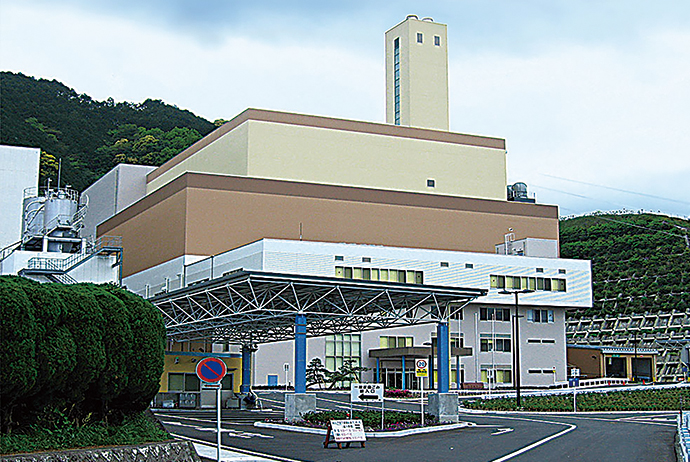
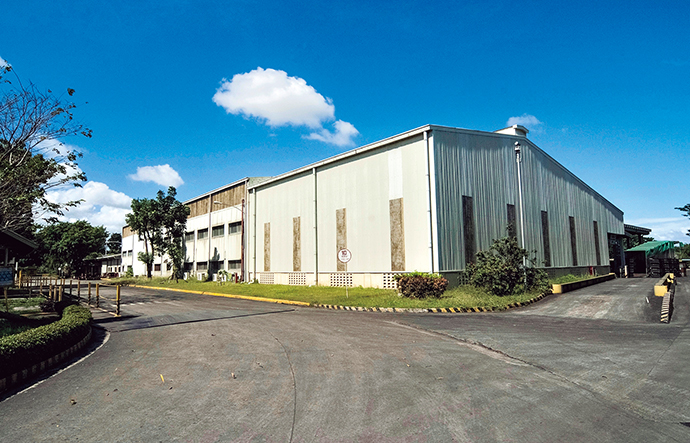
Okazaki Plant, JTEKT Corporation
JTEKT has set the goal of achieving carbon neutrality by 2035 and is accelerating its efforts to reduce its CO2 emissions. Okazaki Plant has been deploying energy-saving measures using operational support services, and has been working to improve the operation of the compressors in the production sites. The measures have now been expanded to include factory air conditioning equipment, and the company is building up a track record of solid energy savings and CO2 emissions reductions.
Factories and Plants Other (Markets and Industries) Energy Efficiency Energy Management Cost Reduction Reliable Operation Operation Improvement Industrial Automation Control and Monitoring Systems and Software Pressure Gauges (Pressure Sensors) and Differential Pressure Gauges (Differential Pressure sensors)
Products/Services Provided
Improving compressor operations to reduce CO2 emissions
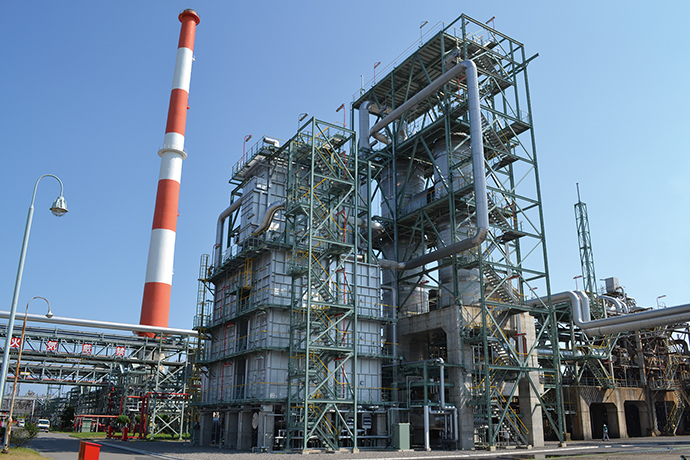
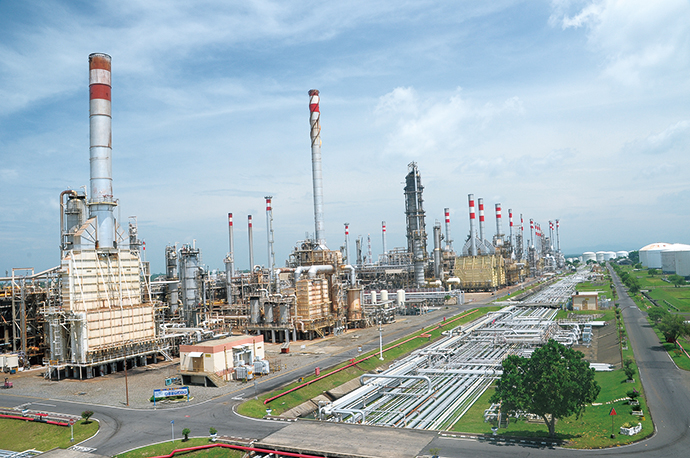
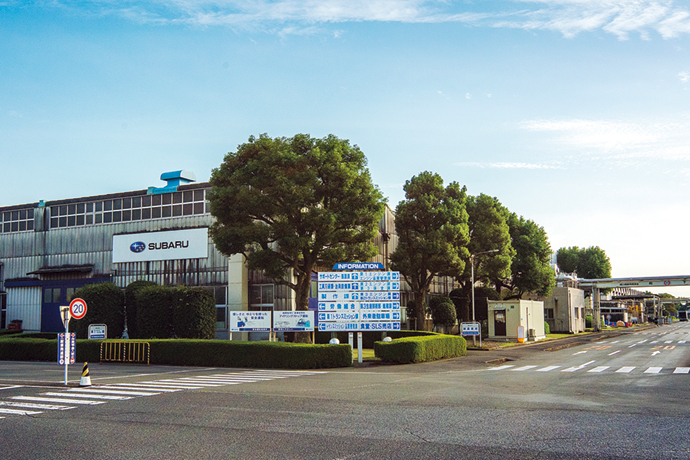
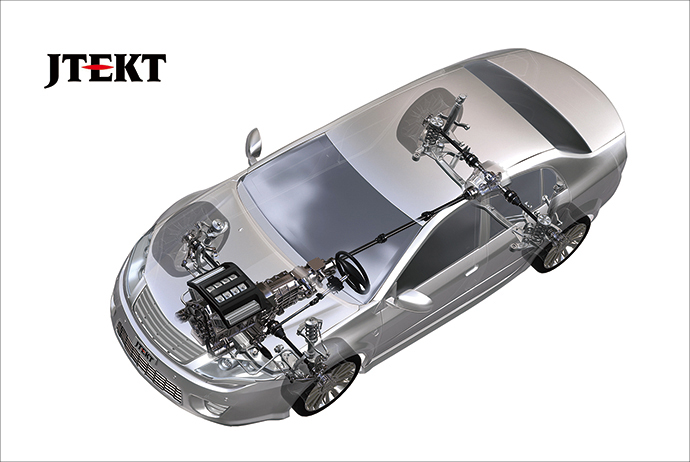
JTEKT Corporation, a member of the Toyota Group, operates in the fields of automotive parts, bearings and machine tools, and its Okazaki Plant in Aichi Prefecture, Japan, is a major site for manufacturing automotive drive components.
The company has formulated an Environmental Action Plan, which it updates every five years, in order to achieve its Environmental Challenge 2050, an initiative that aims to minimize environmental impact. It is working to reduce CO2 emissions with the aim of achieving its carbon neutrality goal by 2035.
In 2019, the Okazaki Plant was selected for the Energy Use Rationalization Support Project*1 and selected Azbil Corporation as its Energy Management Service Provider (EMSP)*2. Over a four-year period from 2020 to 2024, Azbil’s ENEOPT™ operational support service was utilized to continuously implement energy-saving measures. The company has built up solid energy-saving results.
“We intend to increasingly accelerate these activities by eliminating waste and achieving solid results,” says Takayuki Kawamura, the General Manager of the Manufacturing Engineering Department.
Over the past four years, the Okazaki Plant has implemented operational improvements to the compressors that supply the compressed air used in production equipment. The company worked on reducing losses that occur in the three phases of producing, feeding, and using compressed air. Regarding losses in the production of compressed air, we had previously been unable to determine each compressor’s actual efficiency. To address this issue, Azbil has used data analysis to visualize the efficiency of individual compressors. The figures are shared in the monthly reports, and out of the total of 10 compressors in operation, the most efficient ones are prioritized for use. To reduce losses during the feeding of compressed air, the company changed from its previous system of feeding air at a uniform pressure and instead introduced a system in which only the required amount is delivered to each production line. The number of operating compressors is reduced, thereby saving energy while maintaining the required on-site pressure. In terms of losses during the use of compressed air, the terminal pressure of each production line is set as low as possible to eliminate waste.
“Until now, we had judged from catalog specifications that turbo compressors were the most efficient. However, Azbil’s monthly reports showed us that the compressors were actually the most inefficient, and so we were able to achieve significant energy savings simply by changing the priority order in which we use our compressors,” explains Wataru Sugimoto of the Manufacturing Engineering Department.
Through these efforts, the company has achieved an energy saving rate of 4–6% year-on-year, achieving a total energy saving rate of 16% over four years.
Reviewing operation of air conditioning equipment to achieve further energy savings
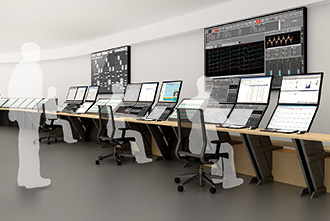
In addition to its compressor-related measures, the Okazaki Plant has decided to implement energy-saving measures for the plant’s air conditioning equipment over a three-year period starting in 2024. First, an automatic start/stop function was added to the air conditioners, making it possible to monitor and control them from a central monitoring device installed in the maintenance room.
“Until now, if we needed to change air conditioning temperature settings, we had to travel around the 18 locations where air conditioners were installed. Once the temperature was set, it was difficult to change it. Now, we can easily change the settings remotely,” explains Mr. Sugimoto.
This initiative has realized further energy savings and CO2 reductions, reducing utility costs by 8 million yen annually.
Under Japan’s Industrial Safety and Health Regulations, employers are now required to implement measures to prevent heatstroke. As a result, the Okazaki Plant’s air conditioning runs at full capacity during the summer. Azbil supports the air conditioning operation during these harsh summer months by displaying a discomfort index, heat index, and absolute humidity on the air conditioning monitoring screen.
“The recommended indoor temperature setting in summer is 28°C, but even if it’s set to 32°C, if the humidity is 40%, the perceived temperature will be around 28°C according to the heat index. If we can raise the temperature the air conditioning is set to, it will lead to significant energy savings,” says Kenji Yoshida, Professional of the Manufacturing Engineering Department.
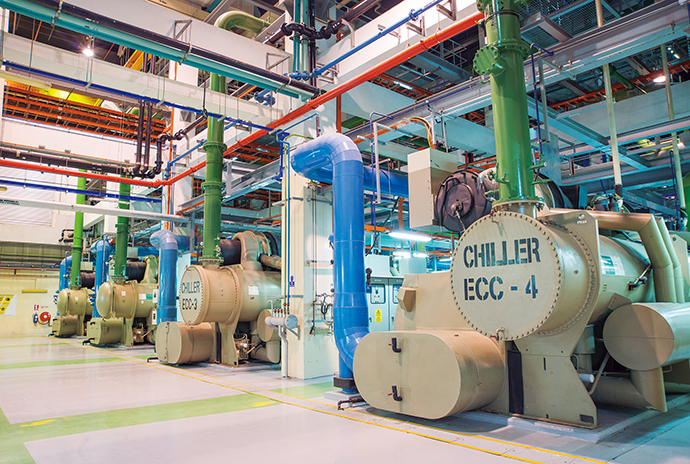
The plant also uses steam emitted from the cogeneration system*4 to operate a steam absorption chiller, and a gas-fired chiller is used to supplement any shortage of chilled water for air conditioning as needed. In the next step, these operational mode changes that have been made by human beings, will be automated, further promoting energy savings.
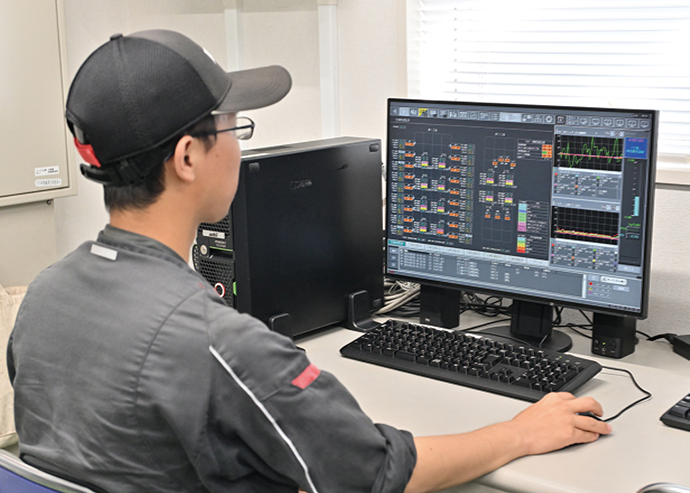
An air conditioning monitoring screen has been added to the Harmonas-DEO™ Harmonized Automation System , which is improving compressor operations. Anti-heat stroke measures are implemented by adjusting indoor temperature settings based on the discomfort index, heat index, and absolute humidity, along with the operating status of the equipment.
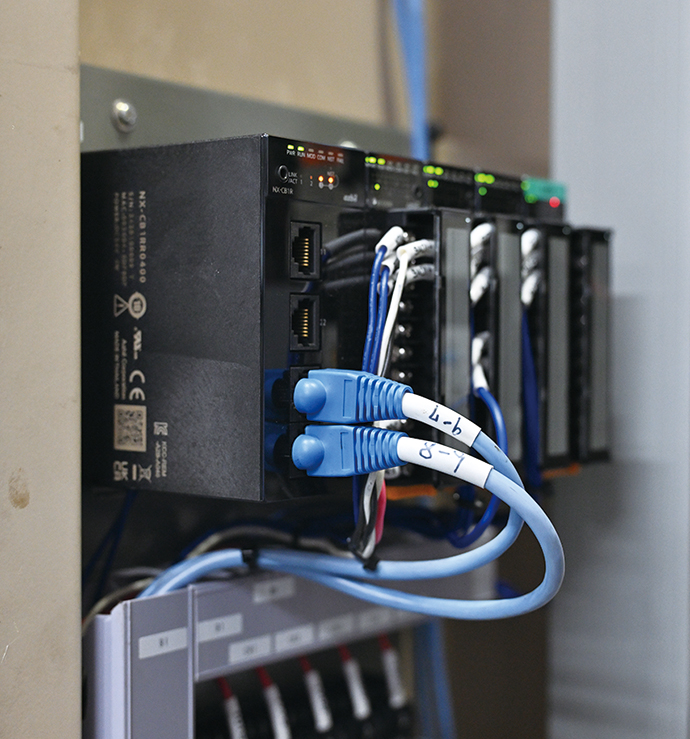
Network instrumentation modules of a controller monitoring and controlling air conditioning equipment
Effectiveness of collected equipment operation data in maintenance activities as well
Visualizing operating status is also useful for the early detection of problems and for maintenance activities. For example, we were able to quickly detect air supply shortage of a compressor that should have been efficient. Upon checking the site, the company discovered that the pipes for the three-way valve had broken and that a large amount of electricity continued to be used.
“By discovering a problem in an area that is usually inspected only once a month and repairing it in just one day, we were able to avoid a major energy loss,” says Mr. Sugimoto.
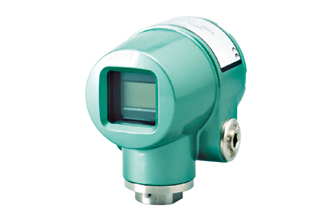
As for air leaks, the Okazaki Plant has also introduced a system that automatically calculates the air leak rate based on the measurement values sent from the pressure transmitter.
“When I look at Azbil’s monthly report, which lists the air leakage rate, the results of our air leakage countermeasures are clearly visualized with numerical data, so it also helps motivate the on-site staff,” notes Hideyuki Otake, Chief Leader of the Manufacturing Engineering Department.
“In the future, we would like to use AI and other technologies to monitor various signs and symptoms to prevent breakdowns in production equipment within the factory,” says Norishige Imaizumi, Manager of the Manufacturing Engineering Department.
The Okazaki Plant plans to continue with further improvement activities toward achieving carbon neutrality.
“When equipment operates normally, we can avoid defects, which also leads to carbon neutrality. However, improvement activities are not something that can be completed in one go. As it is important to monitor the effects, it is necessary to check the results of improvements in real time and implement the PDCA cycle. We look forward to Azbil continuing to propose even more energy-saving measures in the future to us,” says Mr. Yoshida.
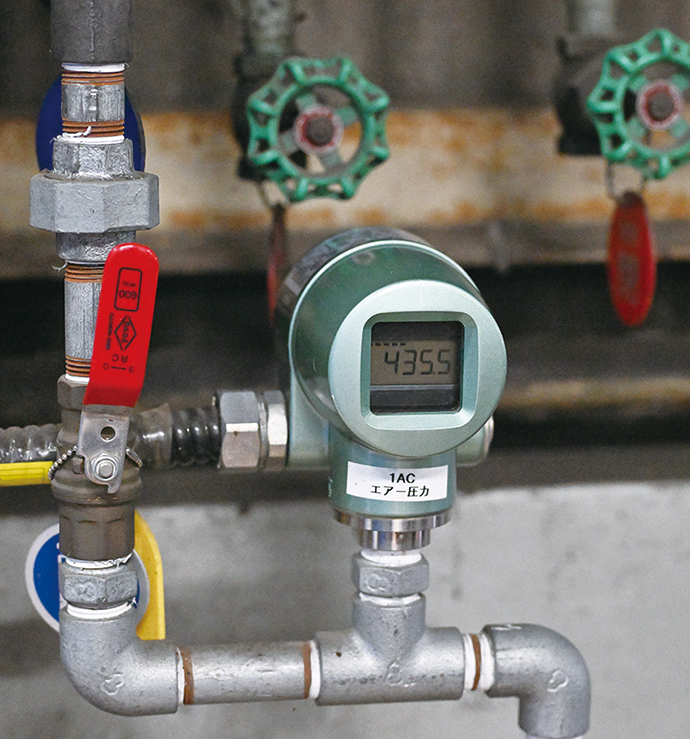
A Bravolight™ pressure transmitter measuring the pressure of compressed air used on production lines
* ENEOPT, Harmonas-DEO, and Bravolight are trademarks of Azbil Corporation.
glossary
*1 Energy Use Rationalization Support Project
This project is currently named “the Energy Conservation Investment Promotion and Demand Structure Transformation Support Project.” The executive body of the project is Sustainable Innovation Initiative (SII), a Japanese general incorporated association, and the project itself is a subsidy system aimed at supporting the introduction of equipment deemed to have high policy significance in relation to energy conservation initiatives planned by businesses, taking into account cutting-edge technology, energy-saving effects, and cost-effectiveness.
*2 Energy Management Service Provider
This is a provider of energy management support services registered with SII that introduces energy-saving equipment and systems associated with energy management systems (EMS) in factories and offices, and supports the energy-saving efforts of factories and offices through energy management support services.
*3 Cogeneration
This is a system that generates electricity using fuels such as natural gas, oil, or LPG through methods such as engines, turbines or fuel cells, while simultaneously recovering the waste heat generated during the process. The recovered waste heat can be used as steam or hot water as a factory heat source, or for air conditioning, heating, hot water, etc., achieving high overall energy efficiency.
Learn about the customer
General Manager
Manufacturing Engineering Dept.
Okazaki Plant, JTEKT Corporation
Professional
Manufacturing Engineering Dept.
Okazaki Plant, JTEKT Corporation
Manager
Facilities & Equipment
Maintenance Section
Manufacturing Engineering Dept.
Okazaki Plant, JTEKT Corporation
Chief Leader
Facilities & Equipment Maintenance Section
Manufacturing Engineering Dept.
Okazaki Plant, JTEKT Corporation
Facilities & Equipment
Maintenance Section
Manufacturing Engineering Dept.
Okazaki Plant, JTEKT Corporation
Okazaki Plant, JTEKT Corporation
- Address: 8 Kiriyama, Ichiba-cho, Okazaki City, Aichi Prefecture
- Start of business operations: 1965
- Business: Manufacturing of auto and machine tool parts
This article was translated from Japanese version.
This article was published in March 2026.